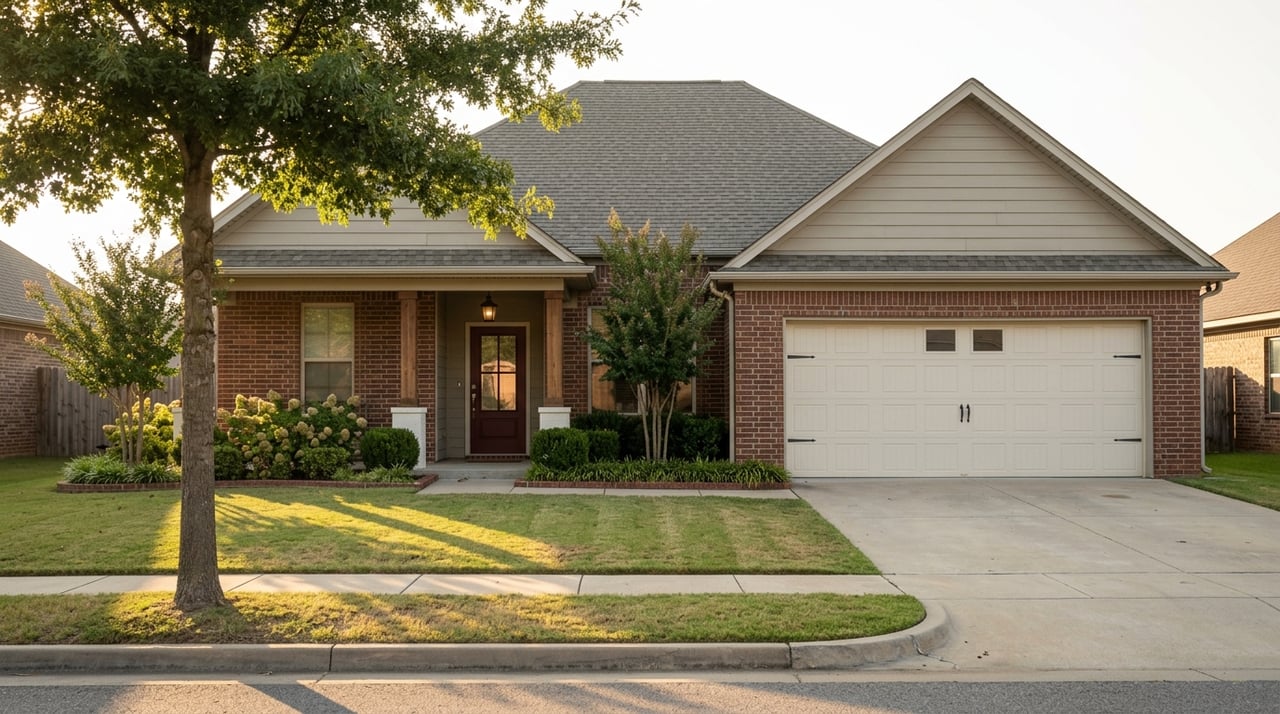
Selling a historic house is different from selling a newer home. Buyers want the story and the facts, and they will ask for proof. If you prepare your disclosures the right way in Paris, you protect yourself and keep the deal moving.
In this guide, you’ll learn exactly what to disclose for a historic home in Paris, KY, where to find the records, and how to organize a clean packet that builds buyer trust. You’ll also get a practical checklist to use before you list. Let’s dive in.
What to disclose for a Paris historic home
Historic designation and review status
If your property is in a local historic district, a locally designated landmark, or listed on the National Register of Historic Places, disclose that status. Share what local review may apply for exterior changes and point buyers to the city’s preservation staff or commission for details. Status affects what a buyer can change and is material to most purchase decisions.
Also disclose any pending historic-commission matters, such as appeals or enforcement actions, and provide copies of related notices.
COAs, permits, and unpermitted work
If you completed exterior work that required historic review, disclose any Certificates of Appropriateness (COAs) you received. Include dates, the work approved, and any conditions. For interior and major systems work, provide building, electrical, plumbing, and mechanical permits and final inspection sign-offs if available.
If you know about unpermitted work, say so. Explain what you know and any steps you took to resolve it, such as retroactive permits or contractor warranties. Buyers take unpermitted work seriously and often use it as a negotiation point.
Easements, covenants, and restrictions
Share any recorded easements or rights-of-way, including utility lines, shared driveways, access routes, or conservation restrictions. If your home has a preservation or conservation easement that limits changes to the structure or site, disclose that and provide the recorded documents. Also disclose any deed covenants, neighborhood restrictions, or association rules that affect alterations.
Material alterations and historic fabric
If original windows, doors, siding, porches, roof materials, or interior woodwork were replaced or modified, disclose those changes. Note where they occurred, when, and whether original materials were removed. If you restored features to a preservation standard, include the contractor or architect documentation.
Repairs to foundations, chimneys, roof framing, or other structural elements should be summarized with dates and whether in-kind materials were used.
Tax credits, grants, and incentives
If you used federal or state historic rehabilitation tax credits or received preservation grants, disclose this. Provide application approvals, agreements, and any recorded covenants. Explain known compliance or recapture rules you are aware of, and direct buyers to the issuing agency for specifics.
Environmental and safety hazards
For homes built before 1978, federal law requires lead-based paint disclosure. You must provide buyers with the federal lead pamphlet, disclose known lead information, and share any reports. Buyers must be offered a 10-day opportunity to conduct a lead inspection unless they waive it.
Also disclose known asbestos, radon test results, underground storage tanks, mold, or pest issues, plus any mitigation or remediation reports. Share contractor receipts and clearances if you have them.
Systems, maintenance, and materials
Older systems can be costly to update. Disclose the age and condition of major components you know about, such as knob-and-tube wiring, cast-iron sewer lines, boilers or steam radiators, and slate or metal roofs. Provide any warranties, recent service records, or maintenance agreements.
If you used specialty preservation methods like lime mortar repointing or wood sash window repair, note who did the work and when.
Insurance and financing considerations
If you’ve had trouble obtaining homeowner’s insurance due to condition, materials, or other factors, disclose that experience. Some buyers using FHA or VA financing face stricter property condition requirements, and knowing about older systems or defects earlier helps everyone plan.
Professional reports and inspections
If you have structural engineer opinions, historic structure assessments, architectural drawings, or contractor scopes, include them. Also share routine maintenance records such as chimney repointing, gutter replacement, or paint cycles.
Where to find records in Paris and Bourbon County
- Bourbon County Clerk. Look for recorded deeds, easements, covenants, conservation or preservation easements, and any recorded liens or notices.
- City of Paris Planning and Zoning or Building Department. Request building, electrical, plumbing, and mechanical permit records, any Certificates of Occupancy issued, local historic district maps, and COA files if the city maintains them.
- Local Historic Preservation Commission. Ask for COAs, design guidelines, enforcement records, and meeting minutes related to your property.
- Bourbon County Property Valuation Administrator (Assessor). Confirm building age, property sketches, and historical assessment data that support representations about the home’s age.
- Kentucky Heritage Council (State Historic Preservation Office). Confirm National Register listings, learn about state tax credits, and locate National Register nomination forms for historic descriptions.
- National Park Service - National Register of Historic Places. Use the nomination file to verify listing details and historical significance.
- Local title company or real estate attorney. Order a title report or commitment, confirm easements and restrictions, and interpret covenants that affect use or alterations.
- Licensed inspectors and historic specialists. Commission pre-listing inspections or condition assessments to clarify potential concerns before going to market.
Build a clean disclosures packet
Create a simple, organized packet that answers the key buyer questions upfront. Use this checklist:
Essential legal and ownership
- Current deed and legal description
- Recent title report or commitment if available
- Recorded easements, covenants, and restrictions from the Bourbon County Clerk
- Any preservation or conservation easements and agreements
Historic status and review
- Proof of local, state, or National Register designation
- All COAs or historic-commission approvals for exterior work
- Any past or current enforcement or violation notices
Permits and occupancy
- Building, electrical, plumbing, and mechanical permits with inspection sign-offs
- Final inspection documents or Certificates of Occupancy if issued
- Notes on any open or unresolved permit issues
Alterations and contractor records
- Scopes of work, plans, and as-built drawings
- Contractor invoices and warranties for major systems
- Before-and-after photos for restorations
Tax credits and grants
- Federal or state historic tax credit applications, approvals, and agreements
- Grant award letters, conditions, and any recorded covenants
Environmental and hazards
- Lead-based paint disclosure materials and any reports
- Asbestos surveys, radon results, mold remediation, or underground tank records
- Termite and wood-destroying insect inspection reports
Maintenance and systems
- Routine maintenance logs: roof, gutters, chimneys, paint cycles, sash repair
- Manuals and service records for HVAC, boilers, and other mechanicals
- Insurance history and any special policy terms
Surveys and site info
- Recent boundary or ALTA/land survey showing easements and encroachments
- Plot plans for outbuildings, fences, and rights-of-way
Miscellaneous
- Utility location info and relevant billing history for condition-related claims
- Any HOA or neighborhood covenants that affect alterations
- Contacts for contractors who performed preservation-grade repairs
Steps to take before you list
- Complete the standard Kentucky residential property condition disclosure form and keep a signed copy.
- Pull copies of COAs, permits, and easements from the City of Paris and Bourbon County Clerk.
- If you are unsure about past work or structural conditions, consider a pre-listing home inspection and, if needed, a structural engineer or historic-structure specialist.
- Assemble the disclosures packet so buyers and agents can review everything early.
- Provide the required federal lead-based paint materials if your home was built before 1978.
- If there are complicated title items, recorded covenants, or tax credit compliance rules, consult a Kentucky real estate attorney or a title company for guidance.
Set expectations and minimize surprises
Clear disclosure is the fastest path to a smooth closing. When you organize COAs, permits, easements, and environmental data in advance, you reduce back-and-forth during due diligence and avoid last-minute delays. If something is unknown or a document cannot be found, say that plainly and note the steps you took to locate it.
Buyers of historic homes expect transparency. A strong disclosures packet signals that you maintained the home carefully and that you respect the preservation process. That builds trust and strengthens your position in negotiations.
Ready to list your historic home in Paris with a disclosures plan that keeps your timeline on track? Reach out to the team at Sunday Property Group to get started. We will help you organize your records, present your home with care, and move from offer to closing with confidence. Get Your Home Value and let’s talk strategy.
FAQs
What does “historic designation” mean for a Paris, KY home?
- It means the property is recognized as historic at the local, state, or national level. Local district or landmark status can trigger review for exterior changes, and National Register listing may open doors to incentives. Disclose status and related review processes.
What is a Certificate of Appropriateness (COA) and why disclose it?
- A COA is local approval for exterior changes in a historic district. Disclose all COAs with dates, scope, and conditions so buyers know what was approved and that work met local standards.
How should I handle unpermitted work on an older house?
- Disclose what you know, share any contractor records, and note steps taken, such as retroactive permits. Expect buyers to ask for remedies or price concessions if work lacks approvals.
Do I need to disclose participation in historic tax credits or grants?
- Yes. Provide documentation of applications, approvals, and any recorded covenants. Note compliance or recapture rules you are aware of and direct buyers to the issuing agency for details.
What are my federal lead-based paint obligations for a pre-1978 home?
- You must provide the federal lead pamphlet, disclose known lead hazards or reports, and offer buyers a 10-day inspection opportunity unless waived. Keep copies of what you provide.
Where can I find easements and restrictions for a Bourbon County property?
- Start with the Bourbon County Clerk for recorded deeds, easements, and covenants. A title company or attorney can also run a search and explain legal language.
What if I cannot find old permits or COAs in Paris?
- Document your search efforts with the City of Paris planning or building offices and the local historic commission. Disclose what is unknown and any alternative proof, such as invoices, photos, or inspections.