By Sunday Property Group
If you've spent any time trying to work from a kitchen table, a cramped corner of the bedroom, or a makeshift desk wedged between the couch and the wall, you already know that your workspace has a direct impact on how well you actually work. A thoughtfully designed home office doesn't just look great in listing photos; it changes how you feel at the start of every workday and how much you accomplish by the end of it.
The good news is that creating a functional and stylish home office doesn't require a dedicated room or a major renovation budget. Whether you have a full spare bedroom to work with or a small alcove off the living room, the right approach to layout, furniture, lighting, and storage can transform any space into a productive, polished workspace.
A well-designed home office has become one of the most sought-after features buyers look for when touring homes. This guide covers everything you need to design a home office that works as hard as you do, without sacrificing an ounce of style.
Key Takeaways
-
Choosing the right location in your home sets the foundation for everything else in your office design.
-
Ergonomic furniture and proper lighting are non-negotiable for long-term comfort and productivity.
-
Smart storage solutions keep your workspace organized without cluttering the room's visual aesthetic.
-
A cohesive color palette and intentional decor choices make your home office a space you actually want to spend time in.
-
A well-designed home office adds real value to your home in today's real estate market.
Choosing the Right Space in Your Home
Before you buy a single piece of furniture or pick a paint color, you need to decide where your home office will actually live. This is one of the most consequential decisions in the entire process, because the location of your workspace will shape how much natural light you receive, how much noise you'll deal with, and how well you can separate work from the rest of your daily life.
A dedicated room is ideal, if you have one available. A spare bedroom, a finished basement area, or even a large walk-in closet can be converted into a fully enclosed workspace that allows you to close the door at the end of the day and mentally clock out. This kind of physical separation is one of the most underrated elements of a healthy work-from-home routine.
If a separate room isn't available, a built-in nook, an underutilized corner of the living room, or a section of your primary bedroom can all work well when designed intentionally. The key is defining the space clearly, both physically and visually, so that your brain registers it as a workspace rather than just another spot in the house.
A dedicated room is ideal, if you have one available. A spare bedroom, a finished basement area, or even a large walk-in closet can be converted into a fully enclosed workspace that allows you to close the door at the end of the day and mentally clock out. This kind of physical separation is one of the most underrated elements of a healthy work-from-home routine.
If a separate room isn't available, a built-in nook, an underutilized corner of the living room, or a section of your primary bedroom can all work well when designed intentionally. The key is defining the space clearly, both physically and visually, so that your brain registers it as a workspace rather than just another spot in the house.
What To Look For in a Home Office Location
-
Access to natural light, particularly from a north- or east-facing window, to reduce glare on screens while keeping the room bright.
-
Proximity to an outlet configuration that supports your tech needs without running cords across the room.
-
Enough wall space for shelving, a whiteboard, or built-in storage, depending on your workflow.
-
Reasonable distance from high-traffic areas of the home, such as the kitchen or living room, to minimize distractions during the workday.
-
A layout that allows for a full desk setup without the room feeling cramped or difficult to navigate.
Furniture That Balances Form and Function
Once you've committed to a location, furniture is where your home office design really takes shape. The temptation is to prioritize either aesthetics or function, but the best home offices accomplish both. A beautiful desk that leaves you hunched over in discomfort after an hour isn't serving you, and a perfectly ergonomic setup that looks like it belongs in a 1990s office park won't inspire your best work either.
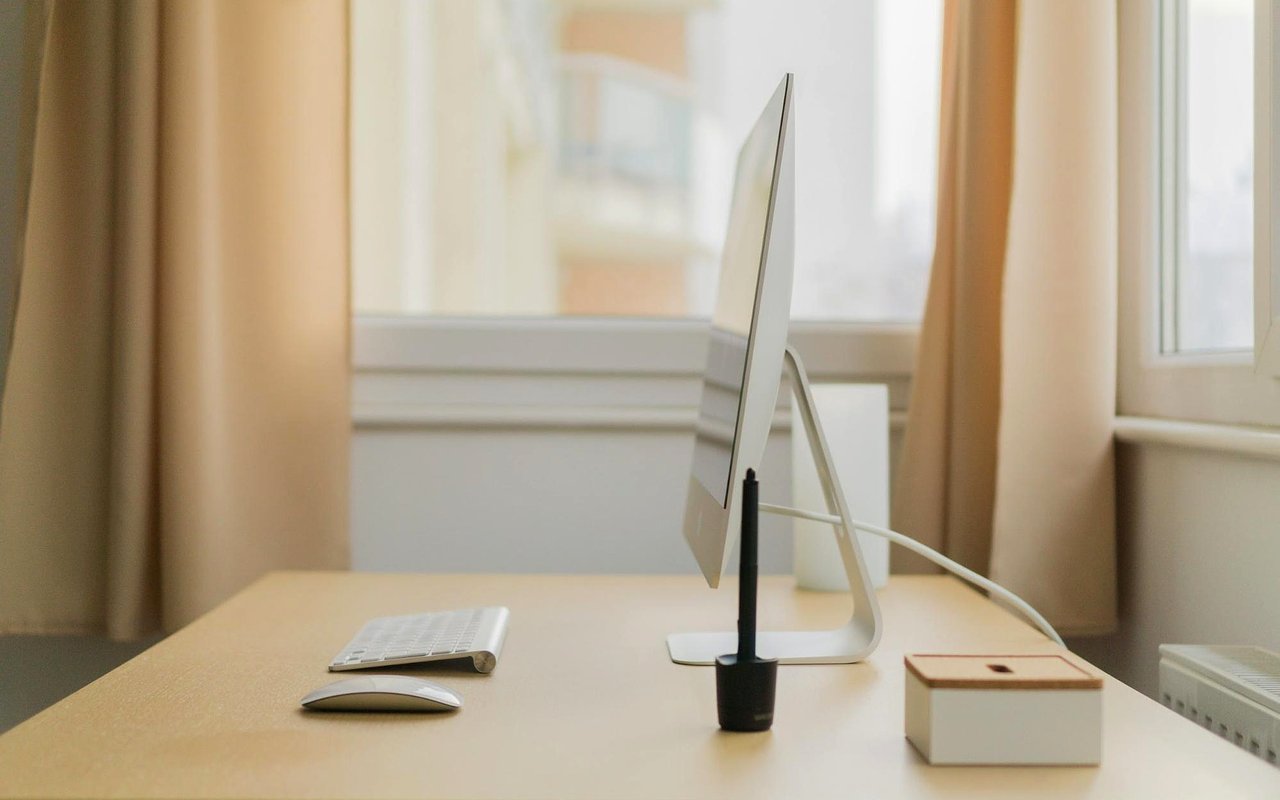
Your desk is the centerpiece of the room, so invest in one that fits your workflow. If you spend most of your day on a laptop with minimal peripherals, a sleek writing desk or floating wall-mounted option can keep the room feeling open and airy. If you work with multiple monitors, reference materials, or creative tools, you'll want a larger L-shaped or executive-style desk with ample surface area.
Pair your desk with a chair that provides proper lumbar support and that is adjustable to your height and desk level. This is not an area to cut corners. Ergonomic chairs have evolved in design and now come in options that look as refined as they feel, so you don't have to choose between back health and a polished aesthetic.
Your desk is the centerpiece of the room, so invest in one that fits your workflow. If you spend most of your day on a laptop with minimal peripherals, a sleek writing desk or floating wall-mounted option can keep the room feeling open and airy. If you work with multiple monitors, reference materials, or creative tools, you'll want a larger L-shaped or executive-style desk with ample surface area.
Pair your desk with a chair that provides proper lumbar support and that is adjustable to your height and desk level. This is not an area to cut corners. Ergonomic chairs have evolved in design and now come in options that look as refined as they feel, so you don't have to choose between back health and a polished aesthetic.
Top Furniture Picks for a Home Office
-
A height-adjustable standing desk, which allows you to alternate between sitting and standing throughout the day.
-
A task chair with adjustable armrests, lumbar support, and breathable mesh material for all-day comfort.
-
A credenza or low console behind the desk to provide additional surface space and concealed storage.
-
Open bookshelves for frequently referenced materials as well as decor that reflects your personality.
-
A guest chair or small side chair for occasional calls or collaborative work sessions, if space allows.
Lighting That Works for Every Part of Your Day
Lighting is one of the most frequently overlooked elements of home office design, and it's also one of the factors that most notably impacts how you feel and perform during the workday. Poor lighting causes eye strain, headaches, and fatigue. Great lighting makes the room feel intentional, professional, and pleasant to spend eight or more hours in.
Natural light is your best starting point. If your office space includes a window, position your desk so that the light comes from the side rather than directly behind or in front of your monitor. Direct backlight creates a silhouette effect on video calls, whereas direct front light creates screen glare that makes reading difficult.
For times of day when natural light is insufficient, layer your artificial lighting across three types: ambient (overhead or recessed lighting for general illumination), task (a dedicated desk lamp that focuses light on your work surface), and accent (a floor lamp or wall sconce that softens the room and reduces the contrast between your screen and its surroundings).
Natural light is your best starting point. If your office space includes a window, position your desk so that the light comes from the side rather than directly behind or in front of your monitor. Direct backlight creates a silhouette effect on video calls, whereas direct front light creates screen glare that makes reading difficult.
For times of day when natural light is insufficient, layer your artificial lighting across three types: ambient (overhead or recessed lighting for general illumination), task (a dedicated desk lamp that focuses light on your work surface), and accent (a floor lamp or wall sconce that softens the room and reduces the contrast between your screen and its surroundings).
Lighting Layers To Include in Your Home Office
-
An adjustable desk lamp with a color temperature setting, so you can shift between warm and cool tones depending on the time of day.
-
Overhead lighting on a dimmer switch to control the overall brightness level of the room.
-
A floor lamp positioned in a corner to add depth and warmth without competing with task lighting.
-
LED strips along a shelf or behind a monitor to reduce eye strain during evening work sessions.
-
Blackout or light-filtering window treatments that let you manage natural light without blocking it entirely.
Storage, Organization, and the Art of the Clutter-Free Desk
A home office that looks great in the morning and descends into chaos by noon is still a problem. Thoughtful storage planning is what separates a workspace that stays functional from one that becomes a source of daily stress. The goal is to give everything a designated place so that keeping the room tidy takes minimal effort.
Built-in shelving, if your home allows for it, is the gold standard for home office storage. It uses vertical wall space efficiently, keeps your most-used materials visible and accessible, and can be styled with a combination of functional items and decor to avoid the sterile look of a purely utilitarian storage wall.
For smaller spaces where built-ins aren't an option, freestanding bookshelves, floating shelves, and a desk with integrated drawers can accomplish the same result. The key is to be intentional about what lives on your desktop. Limit your desk surface to only the items you use every single day, and give everything else a designated drawer, bin, or shelf.
Built-in shelving, if your home allows for it, is the gold standard for home office storage. It uses vertical wall space efficiently, keeps your most-used materials visible and accessible, and can be styled with a combination of functional items and decor to avoid the sterile look of a purely utilitarian storage wall.
For smaller spaces where built-ins aren't an option, freestanding bookshelves, floating shelves, and a desk with integrated drawers can accomplish the same result. The key is to be intentional about what lives on your desktop. Limit your desk surface to only the items you use every single day, and give everything else a designated drawer, bin, or shelf.
Storage Solutions That Keep Your Office Organized
-
Drawer dividers or desktop organizers to corral pens, chargers, sticky notes, and other small daily-use items.
-
File boxes or a lateral file cabinet for paperwork, styled with a finish that complements the rest of the room.
-
Cable management trays or clips mounted under the desk to eliminate visible cord clutter.
-
Labeled bins or baskets on shelves for supplies, reference materials, or equipment you use weekly but not daily.
-
A mail or inbox tray to keep incoming paperwork contained and easy to process regularly.
FAQs
How Much Space Do I Need for a Home Office?
You don't need a spacious room to create an effective home office. A dedicated area as small as 50 to 70 square feet can comfortably accommodate a desk, chair, and basic storage. What matters more than square footage is how thoughtfully the space is designed. Vertical storage, well-chosen furniture, and a clear visual separation from the rest of the room can make even a modest room feel like a proper workspace.
What Paint Colors Work Best in a Home Office?
Neutral tones like warm whites, soft grays, and light greiges are popular because they keep the room feeling open while providing a clean backdrop for decor and furniture. Deeper tones like navy, forest green, or terracotta can create a focused, grounding atmosphere. The best color for your office depends on the lighting in the room and the mood you want to work in.
Does a Home Office Add Value to a Home in Murray, KY?
Yes. In today's real estate market, a dedicated and well-designed home office is a meaningful selling point, particularly for buyers who work remotely or run businesses from home. In Murray, KY, where remote work has become a lasting part of many residents' professional lives, a thoughtfully finished home office can influence how buyers perceive a listing and what they're willing to offer for it.
Can I Design a Stylish Home Office on a Budget?
Absolutely. Some of the most impressive home offices are designed with a mix of investment pieces and budget-friendly finds. Prioritize spending on the items you use most, specifically your chair and desk, and supplement with secondhand furniture, DIY shelving, and decor sourced from local shops or online marketplaces. A cohesive color palette and great lighting can make even modest furniture look intentional and polished.
Your Home, Your Best Workspace
The home office has evolved from a utilitarian afterthought into one of the most personally meaningful spaces in the house. When it's designed well, it reflects who you are, supports how you work, and makes your entire home feel more complete. Whether you're setting up a dedicated room or carving a workspace out of an existing area, the investment of time and thought pays dividends every single day.
If you're buying or selling a home in Murray, KY, and want to understand how a home office factors into a property's value and appeal, our team is here to help. We work with buyers and sellers throughout the area and can guide you through every step of the process, from identifying the right home for your lifestyle to showcasing the best features of the one you're ready to sell. Reach out to our team at Sunday Property Group to get started.
If you're buying or selling a home in Murray, KY, and want to understand how a home office factors into a property's value and appeal, our team is here to help. We work with buyers and sellers throughout the area and can guide you through every step of the process, from identifying the right home for your lifestyle to showcasing the best features of the one you're ready to sell. Reach out to our team at Sunday Property Group to get started.